
Start Early: Introducing Diverse Flavors
Introducing a variety of flavors and textures to babies during their early months is crucial in cultivating adventurous eating habits. The first year of a child’s life is a period of rapid development, and this includes their taste preferences. From the introduction of solid foods, often around six months of age, parents should strive to expose their infants to a wide range of tastes. This can include pureed vegetables, fruits, and proteins, all of which contribute significantly to expanding a baby’s palate.
Beginning with pureed vegetables like sweet potatoes, peas, and carrots can offer a gentle introduction to savory flavors. These foods not only provide essential nutrients but also set the foundation for a more diverse diet. The naturally sweet flavors found in fruits, such as mashed bananas or applesauce, can complement the more savory options, making it easier for children to accept different flavors.
As babies grow, incorporating protein sources such as pureed chicken, lentils, and fish can further enrich their diet. The textures and flavors of different foods encourage children to explore and accept new tastes. Early exposure to a variety of foods is linked to a lower likelihood of developing picky eating tendencies later in life. When children learn to accept diverse flavors during infancy, they are more inclined to try new foods in their toddler years and beyond.
Moreover, introducing mixed purees that combine various vegetables and spices can enhance this exploratory experience. Seasoning food appropriately for babies, using herbs and mild spices, can also familiarize them with more complex flavors early on. In doing so, parents facilitate a positive attitude towards a broader range of foods, promoting healthier eating patterns as they grow.
Encourage Exploration: Let Them Play with Food
Encouraging exploration at mealtime is an effective strategy to foster healthy eating habits in babies and toddlers. Allowing young children to touch, smell, and play with their food helps create positive associations with different flavors and textures. When children are given the freedom to interact with food, they become more comfortable and open to trying new items. This sensory experience can diminish fear of unfamiliar foods, thus reducing mealtime refusal.
One approach is to create a playful setting during eating times. Parents can present a variety of colorful fruits and vegetables and let toddlers explore them at their own pace. For instance, providing small portions of different foods on a plate or in bowls allows children to feel in control of their choices. They can touch, squish, and even create shapes with their food, leading to a more engaging experience.
Another effective strategy is to encourage the use of hands instead of utensils initially. Allowing toddlers to eat with their fingers can be a liberating experience; they may enjoy the sensation of cold cucumber slices or the crunch of carrots. This tactile engagement increases curiosity about different food items, paving the way for acceptance of more diverse flavors over time.
Additionally, mealtime can be enriched with conversation that describes colors, shapes, and textures. For example, asking children to describe the food’s feel or smell can enhance their sensory experience and willingness to taste it. Storytelling while eating can also enhance their interest, framing each meal as an adventure with the food they explore.
Incorporating sensory play into mealtimes sets the foundation for a positive relationship with food. By creating a fun and exploration-centered eating atmosphere, parents can encourage their little ones to embrace new foods and develop adventurous eating habits as they grow.

Be a Role Model: Set the Example
Children are remarkably impressionable, often mirroring the behavior and habits of their parents and caregivers. This tendency is particularly evident in their eating patterns. When parents consistently consume a diverse range of healthy foods, they help shape their child’s palate and eating preferences. Exposure to various flavors, textures, and colors in meals fosters curiosity and encourages children to explore new dishes and ingredients.
As a role model, it is essential for parents to demonstrate a positive attitude toward food, including trying new or unfamiliar items. Enthusiasm while eating and showing interest in diverse cuisines can be infectious. When children observe their parents appreciating healthy foods, they are more likely to develop an adventurous attitude toward trying new things themselves. This visual learning experience is fundamental in their early years, setting a precedent for healthy eating patterns in the future.
Moreover, family meals present an excellent opportunity for parents to set a behavioral example. When families dine together, they can share experiences related to their meals, which not only makes eating enjoyable but also impactful. Engaging discussions about the origins of certain foods, their nutritional value, and positive associations related to various dishes can further inspire children to develop a curious and open-minded approach to food.
Ultimately, being a good role model and setting the example is about more than just what is on the plate. It’s about fostering an environment that celebrates healthy eating and embracing new culinary experiences. Cultivating this mindset early on ensures that children grow up to be adventurous eaters who are unafraid of exploring the vast world of food.
Create a Routine: Consistent Mealtime Schedules
Establishing a routine around mealtimes is a foundational aspect of encouraging children to become adventurous, non-picky eaters. Regular meal and snack times create a sense of predictability that can help young children feel more comfortable and secure when it comes to food. When children know they will have designated times to eat, they can anticipate these moments, reducing anxiety around meals.
Consistency in mealtime schedules can also play a significant role in promoting a healthy relationship with food. By introducing meals and snacks at the same time every day, children learn to associate specific times with eating, which helps regulate hunger cues and encourages them to recognize when they are hungry. When children are hungry at mealtime, they are often more willing to try different foods rather than fill their appetites with snacks or less nutritious options beforehand.
Furthermore, routines can foster family bonding during mealtimes, which can enhance the overall eating experience. Sharing meals together in a relaxed environment creates opportunities for positive interactions and discussions over food, allowing children to observe and model adventurous eating behaviors from parents and siblings. This social aspect of eating can significantly influence a child’s willingness to try new foods and flavors, as they may be more inclined to sample what others are enjoying.
Implementing a mealtime routine does not have to be rigid; rather, it should offer flexibility to accommodate the family’s lifestyle while maintaining consistency. This could include designating certain days for specific types of meals or encouraging themed dinners that introduce new cuisines. By fostering a structured eating schedule with a welcoming space and positive interactions, caregivers can significantly enhance children’s openness to trying new foods, ultimately leading to adventurous eating habits.
Involve Them in the Kitchen: Cooking Together
Involving toddlers in meal preparation can greatly influence their willingness to try new foods and develop a healthy relationship with eating. When children actively participate in cooking, they gain hands-on experience and a sense of ownership, which can spark interest in various ingredients and flavors. Making cooking a collaborative endeavor allows toddlers to see where their food comes from, encouraging them to be more adventurous in their eating habits.
Age-appropriate tasks can include simple activities such as washing vegetables, stirring ingredients, or assembling sandwiches. These tasks not only foster a connection to the food being prepared but also promote fine motor skills and confidence in the kitchen. As they engage in these activities, toddlers build an understanding of different ingredients and learn basic culinary techniques, which enhances their willingness to taste and enjoy new flavors.
Moreover, cooking together can transform mealtime into a fun and interactive experience. Toddlers are often more inclined to eat foods they have helped prepare. Encourage them to experiment by adding various spices or herbs to dishes. This not only empowers them to make choices but also piques their curiosity about trying foods they may have previously shunned. Additionally, discussing the colors, shapes, and textures of different foods while cooking can further stimulate their interest in diverse offerings.
Parent-child cooking sessions can also serve as valuable bonding time. Through laughter and teamwork in the kitchen, families establish positive associations with food. Ultimately, involving toddlers in meal preparation is more than just teaching them to cook; it is an essential step in nurturing an adventurous, non-picky eater who embraces a wide array of foods as part of their dietary journey.
Keep Mealtimes Relaxed: Reduce Pressure
Creating a stress-free environment during mealtimes is essential for fostering a positive relationship between children and food. A relaxed atmosphere encourages children to explore a variety of flavors, textures, and presentations without the anxiety that can come from feeling pressured to eat. Understanding this connection is critical for parents and caregivers seeking to raise adventurous, non-picky eaters.
One effective strategy for achieving relaxed mealtimes is to establish a consistent routine. Knowing that meals occur at specific times can help children feel secure and less anxious. Additionally, implementing a relaxed schedule gives them the flexibility to engage with their food at their own pace, which can enhance their willingness to try new items. Creating a distraction-free dining area can also contribute to a more pleasant experience; turning off screens and minimizing interruptions allows children to focus on their food.
Moreover, parents should model positive behavior when it comes to eating. Demonstrating a variety of appetites, preferences, and enthusiasm for different foods can inspire children to be more adventurous. Using phrases such as “Let’s taste this together” rather than commands can shift the child’s mindset from obligation to exploration. Encouraging discussions about the food, like asking what they think of the flavors or textures, can further create engagement without pressure.
Lastly, it is essential to be mindful of the child’s emotional state. If a child seems particularly resistant or distressed during meals, taking a step back or even revisiting mealtime later might be beneficial. Encouraging children to serve themselves can also empower them to make their own choices about food, which decreases exposure to stress associated with parental expectations. By implementing these strategies, caregivers can significantly enhance the mealtime experience, making it more enjoyable and ultimately contributing to a healthier, more adventurous eater.
Use Creative Presentation: Make Food Fun
One of the most effective ways to encourage young children to embrace a diverse range of foods is through creative presentation. The visual appeal of meals plays a significant role in attracting their attention and piquing their interest. By transforming ordinary dishes into vibrant, fun, and thematic creations, parents can make mealtime an exciting experience.
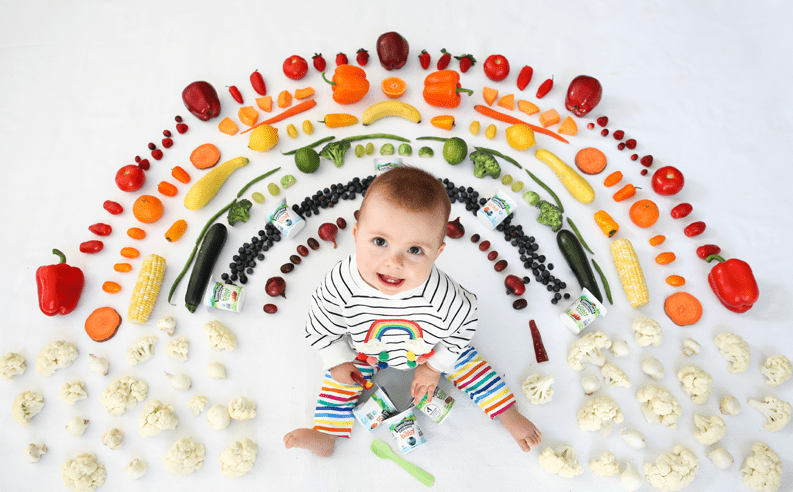
Colorful plates are an excellent starting point. Utilize a variety of fruits and vegetables, showcasing a spectrum of colors on each plate. For instance, a simple meal featuring sliced bell peppers, carrots, peas, and cherry tomatoes can be arranged artistically, creating a visual rainbow. Incorporating different textures and shapes will also add to the curiosity factor, making the food more enticing.
Fun shapes can further enhance the appeal of food for toddlers. Using cookie cutters can turn sandwiches, fruits, and vegetables into playful shapes that make them more enjoyable to eat. For example, star-shaped cucumber slices or heart-shaped sandwiches can invoke excitement and a sense of adventure when it comes to trying new foods. Presentation tools, such as skewers, can also be used to create fun kabobs, allowing children to engage with their food in a playful way.
Themed meals, such as ‘Taco Tuesday’ or ‘Fruity Friday’, can transform the dining experience into a mini-event. Engaging children in this way allows them to anticipate meals and becomes a ritual that sparks interest in the flavors being presented. Each theme can incorporate various ingredients, encouraging toddlers to learn about and sample different items within a comforting context, making the experience less intimidating.
Ultimately, making food fun through creative presentation combines artistry with nutritional value, leading to a more adventurous and less picky eater. By focusing on the appeal of food, parents can promote a positive relationship with diverse cuisine from an early age.
Offer Choices: Empower Their Decision-Making
Incorporating a strategy that allows toddlers to make choices regarding their food can significantly enhance their eating habits and overall relationship with food. When toddlers are offered healthy options, they not only feel empowered but also cultivate their decision-making skills. This approach helps alleviate food-related battles and fosters a more positive mealtime environment.
One effective way to implement choice without overwhelming toddlers is by presenting a limited selection of healthy foods. For instance, rather than asking them to choose any vegetable, you might present two options, such as carrots and broccoli. This smaller array of choices can reduce anxiety and make the decision-making process feel more manageable. Additionally, you can frame the choice in a playful context, such as asking if they want to eat their carrots in sticks or rounds, effectively putting the power in their hands while keeping the options healthy.
Another versatile method is to create a ‘food rainbow,’ where toddlers can choose fruits and vegetables from various colors. This not only educates them about healthy eating but also surfaces their natural curiosity about different foods. It’s essential to remain flexible and open to their preferences; if they opt for a red bell pepper over an apple, celebrate that choice as a positive step in their development.
When presenting choices, it is advisable to keep the conversation light and positive. Avoid pressure; instead, encourage exploration. If they refuse an option, it is acceptable to remind them of their choices, but never force them to eat something they are adamant against. This approach supports autonomy while promoting adventurous eating patterns as they grow.
Be Patient and Persistent: Embrace the Journey
Developing adventurous eaters among children can be a challenging yet rewarding process. It is essential for parents to understand that patience is a crucial aspect of this journey. New foods can often be met with resistance, but it is vital to embrace this aspect rather than view it as a setback. The path to cultivating a child’s willingness to explore diverse food options requires repeated exposure to various tastes and textures, as children need time to adapt and accept unfamiliar foods.
Encouragement plays a significant role in this process. Parents are encouraged to introduce a variety of foods multiple times, understanding that it may take several attempts before a child is willing to try a new item. Offering a food on several occasions can increase the likelihood of acceptance, turning what might initially seem like disinterest into curiosity over time. This gradual approach helps remove the pressure associated with trying new foods, allowing children to explore their palate at their own pace.
Remaining positive throughout the entire experience is also essential. If a child rejects a food, parents should respond with understanding rather than disappointment. A focus on the enjoyment of mealtime, rather than the outcome of food acceptance, can foster a more relaxed atmosphere around eating. Encouraging conversations about the various colors, shapes, and flavors can also spark interest, creating an inviting environment for culinary exploration.
Ultimately, the journey to raising non-picky, adventurous eaters is one that encompasses both patience and persistence. By focusing on repeated exposure, providing encouragement, and maintaining a positive attitude, parents can cultivate a nurturing space that promotes adventurous eating habits. This journey may take time, but the rewards of having children who are open to trying new foods are well worth the effort.